Use cases for a fabric facade
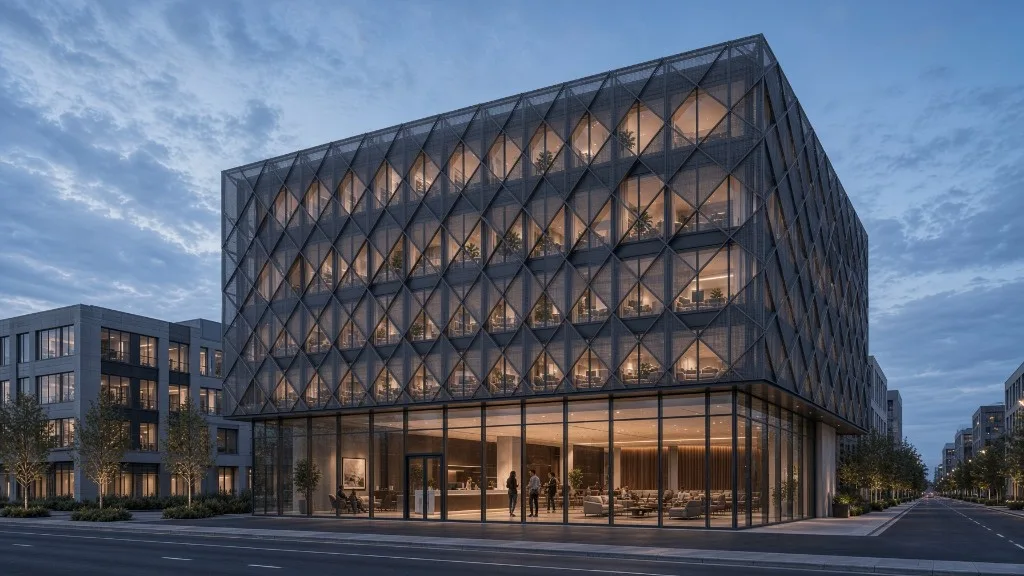
A fabric facade is a secondary building skin from tensioned fabric on a lightweight frame. It shades, ventilates and reduces heat transfer. Common uses are parking garages, data centers and metro stations. Airports, stadiums, commercial buildings, shopping malls and glass curtain walls follow the same principle.
01
Parking garages
Open mesh lets the garage breathe while the facade takes wind, rain and sun.
- Protection against wind, rain and direct sunlight
- Good ventilation at the same time, so exhaust gases and heat can escape
- Avoids expensive mechanical extraction systems
- Visual upgrade and less heat buildup in summer
02
Data centers
The facade encloses the technology without closing the air path.
- Protects equipment against aging from weather and UV radiation
- Good ventilation with noise reduction
- Avoids expensive mechanical cooling and extraction systems
- Reduced heat buildup in summer
03
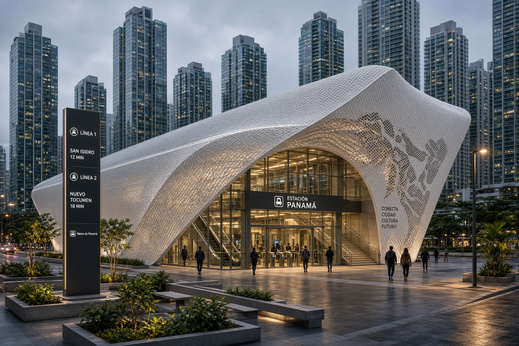
Metro and rail stations
Platforms stay open to light and air, with a light envelope against weather.
- Enclosure of platforms: passengers are sheltered from weather, rain, wind and UV radiation
- Good ventilation and natural light, with noise and heat control
- Avoids heavy structural loads and expensive mechanical shading, cooling or artificial lighting
04
Other applications
The same system is used wherever a light, ventilated second skin is needed.
- Airports
- Stadiums
- Commercial buildings
- Shopping malls
- Glass curtain walls